



AMPS services are tailored to each individual and performance context. Whether the goal is to optimize athletic performance and enjoyment, strengthen team cohesion, elevate creative presence, or build resilient leadership, AMPS equips individuals and organizations with the mental skills necessary for sustained excellence in any setting.


-
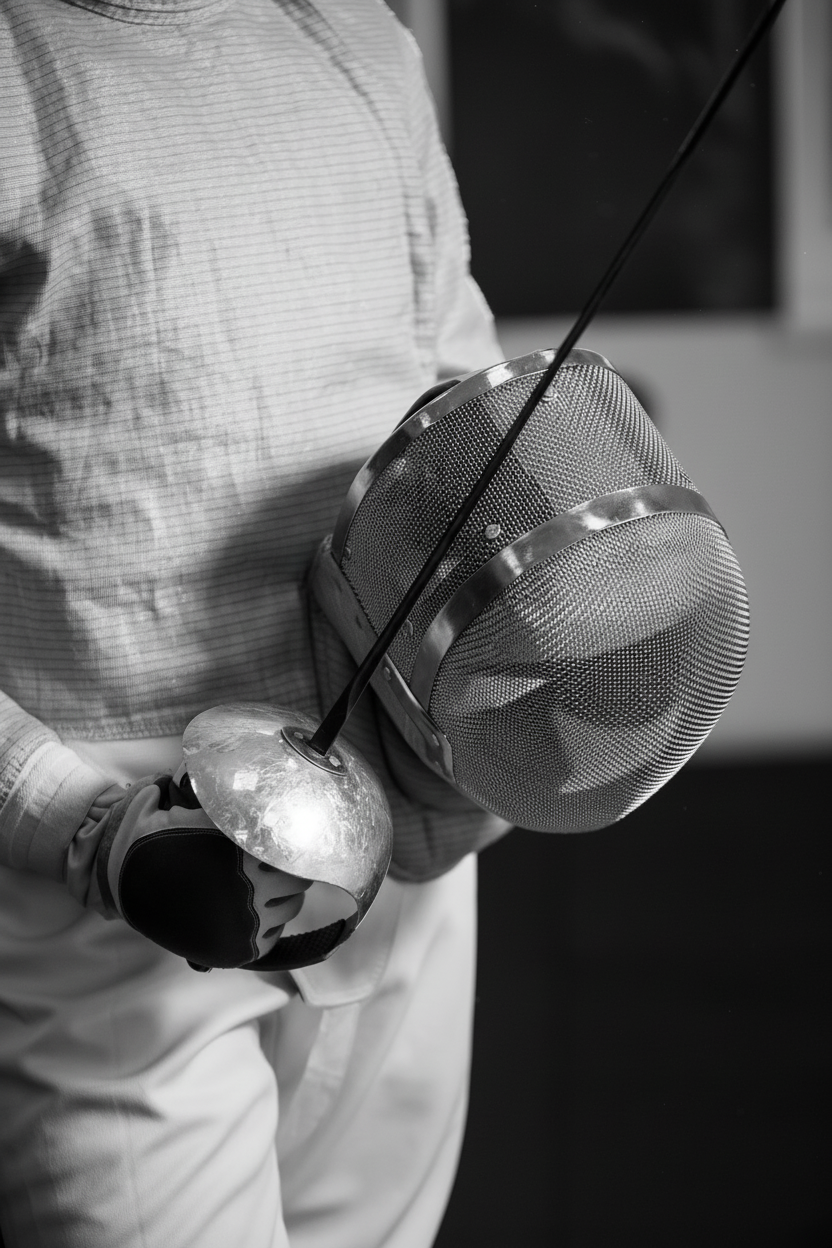
Mental skills training gives athletes, teams, and coaches the tools to perform with confidence, focus, and resilience in any competitive environment. By developing strategies to manage pressure, recover quickly from setbacks, and stay focused on the right thing at the right time, athletes can consistently bring out their best when it matters most. Teams will benefit from stronger communication, trust, and cohesion, while coaches gain strategies to lead more effectively and support their athletes’ growth on and off the field.


-
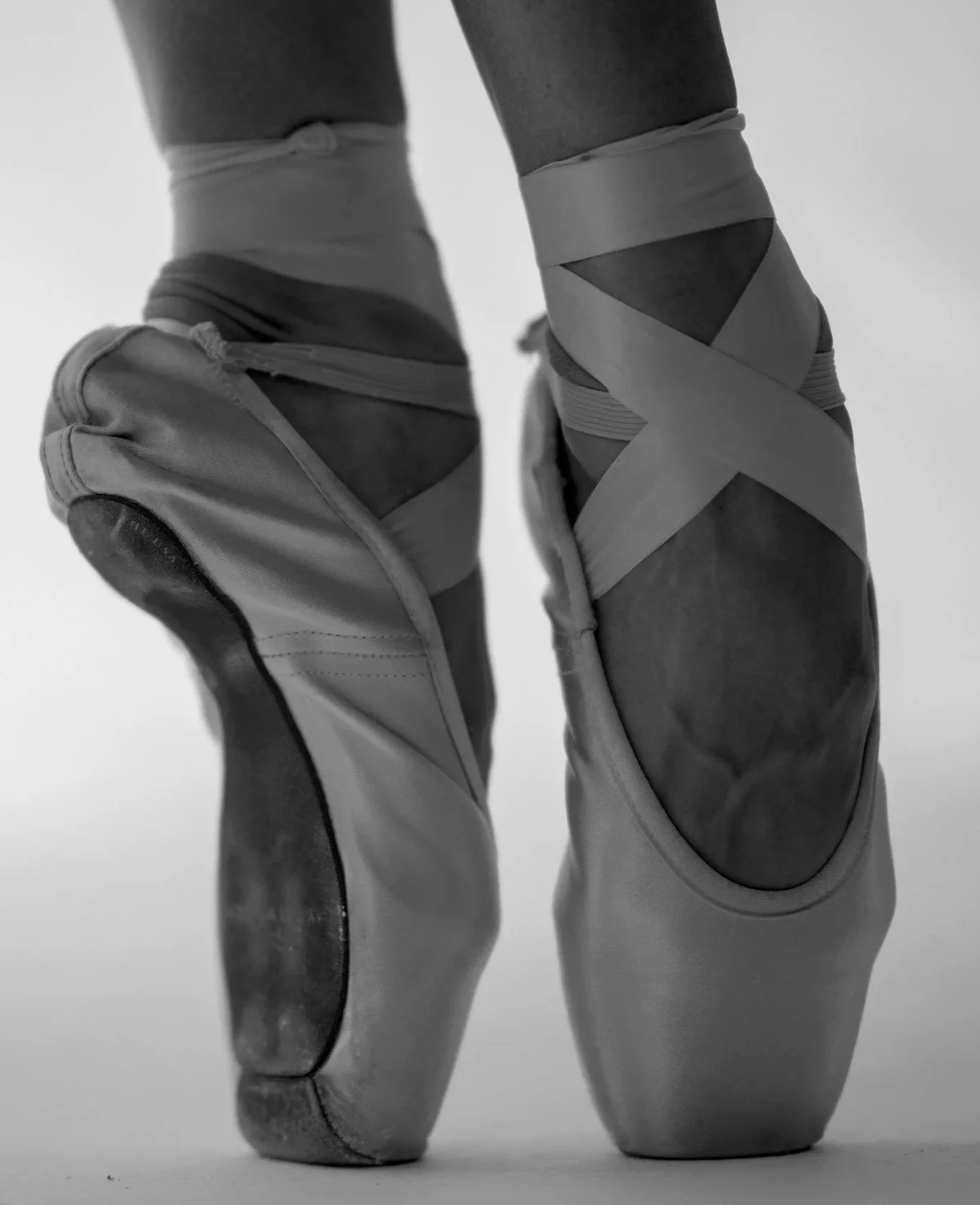
Mental skills training offers valuable tools for musicians and dancers to perform with greater confidence, focus, and creativity. By learning strategies to manage nerves, recover from mistakes, and stay present in the moment, performers can bring out their full artistry both in rehearsal and on stage. These techniques not only reduce performance anxiety but also support consistency and resilience, helping artists thrive in high-pressure situations. With the right mindset, performers can step into the spotlight ready to deliver their best.



-
Mental skills training isn’t limited to sports—it can be a powerful advantage in the workplace as well. By applying principles used by elite athletes, employees and leaders can strengthen focus, manage stress, and build resilience in high-demand environments. These strategies help reduce burnout, improve decision-making, and enhance overall workplace satisfaction. With the right mental tools, professionals can excel in their roles while fostering a healthier, more productive work culture.


-
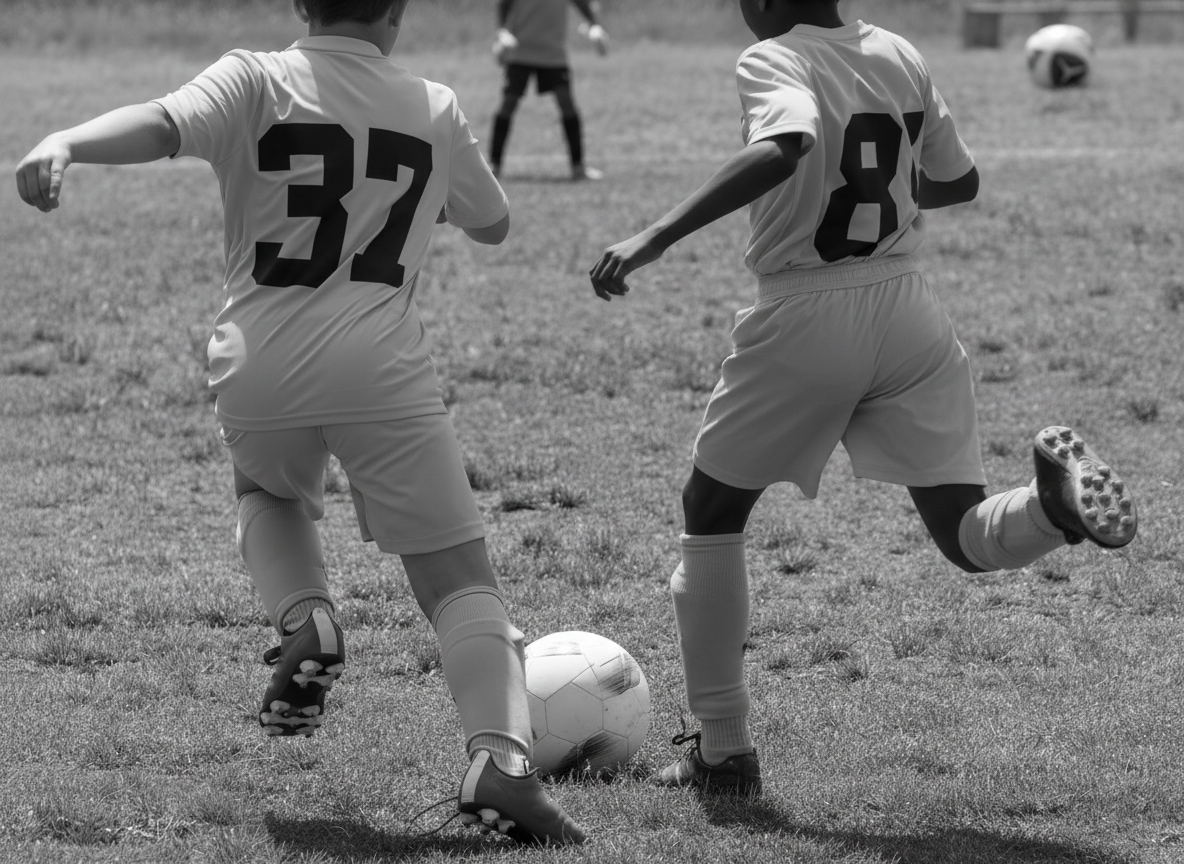
Mental performance training for youth and adolescent athletes focuses on building foundational skills in confidence, focus, emotional regulation, and healthy responses to pressure. This work commonly supports young athletes who experience performance anxiety or fear of making mistakes, emotional reactions during competition, difficulty managing expectations or confidence fluctuations, or challenges with focus, motivation, and consistency. Sessions are developmentally appropriate, engaging, and designed to support both immediate performance needs and long-term athlete development, particularly during transitions to higher levels of sport.